Ball Valves
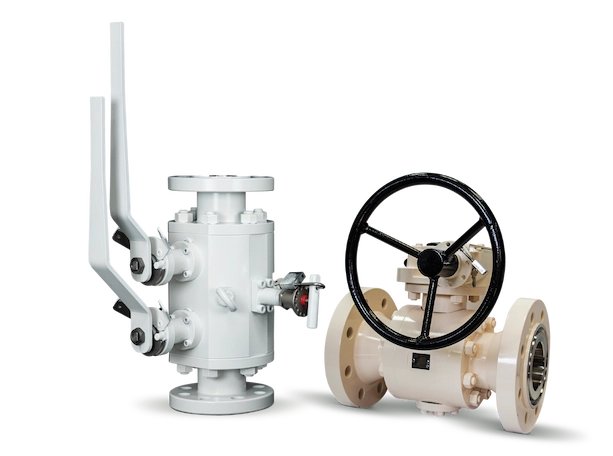
A complete range of ball valves in various configurations and diameters, from integral monobloc versions to Double Block & Bleed and split body designs
ISO 10497–API 607–API 6FA
EN ISO 15848-1/ 15848-2
PED Directive 2014/68/EU
ATEX Directive 2014/34/EU
EAC-CU-TR 010/2011
EAC-CU-TR 012/2011
EAC-CU-TR 032/2013
CRN – Canada all provinces
IACS ed UNI EN 14141
Why Indra Ball Valves
Indra ball valves deliver reliable isolation and flow control for Oil & Gas, Petrochemical, Hydrogen, and Offshore applications. Manufactured entirely in-house at our Italian facility near Milan, each valve is characterized by 100% EU raw materials, engineered for high temperature and cryogenic service, hydrogen service, ammonia and severe services, with both soft and metal-seated designs, available manual or actuated, in integral or bolted body construction.
100% EU Raw Materials
Soft & Metal Seated
Manual or Actuated
High-Integrity Construction
Technical Specifications
- Pressure Rating
PN 6 | ANSI 150 (PN 10–16) | ANSI 300 (PN 25–40) | ANSI 600 (PN 63–100) | ANSI 900 | ANSI 1500 | ANSI 2500 | 800 LBS | 6,000 PSI | API 6A up to API 15,000
- Size Ranges
1/2” | 3/4” | 1” | 1½” | 2” | 3” | 4” | 6” | 8 RB | API 6A up to 2” 1/16
- End Connections
Threaded | Welding Ends | Threaded/Welding End | Flanged | Flanged/Threaded | Hub | Plain End | Socket Weld | Butt Weld
- Materials
Carbon Steel (ASTM A105N/A350 LF2) | Stainless Steel 316 | Super Duplex | Inconel 625/625/718
- Type
Floating | Trunnion | Integral | Split Body
- Temperature Range
-196°C up to +650°C
Available Configurations
Choose the right configuration for your instrumentation requirements:
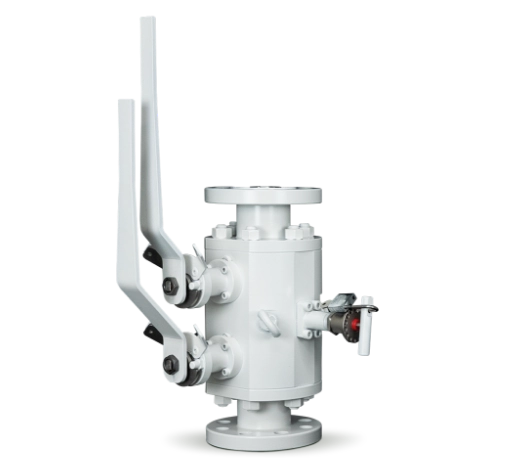
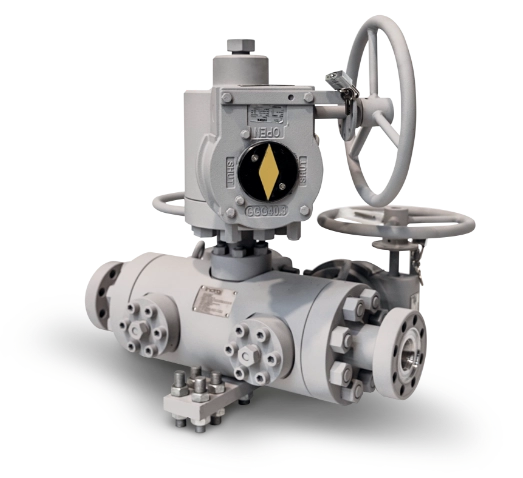
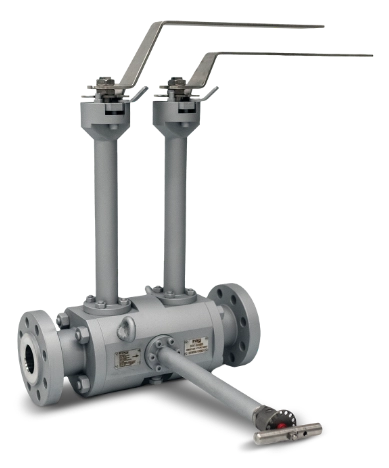
DB & DBB Ball Valves
Two independent block valves in a single compact body for critical applications demanding the highest safetyExplore
SB & SBB Ball Valves
Single Block and Bleed design: Compact valves integrating a main ball valve and bleed function for reduced footprint and simplified maintenanceExplore
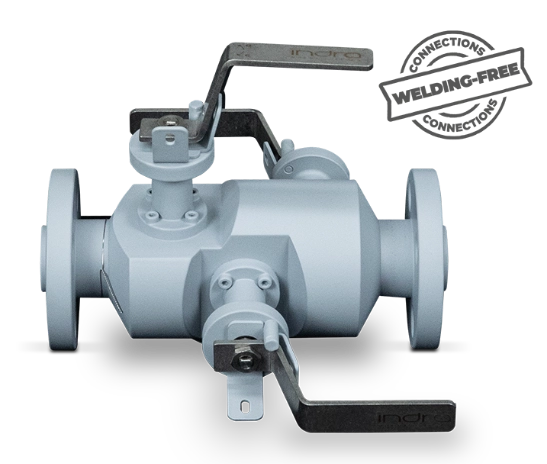
Integral DBB Ball Valves
Monolithic Double Block and Bleed design: welding-free connections for maximum leak safety in space-constrained installationsExplore
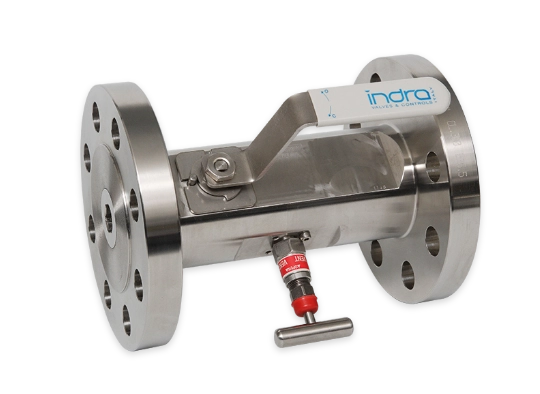
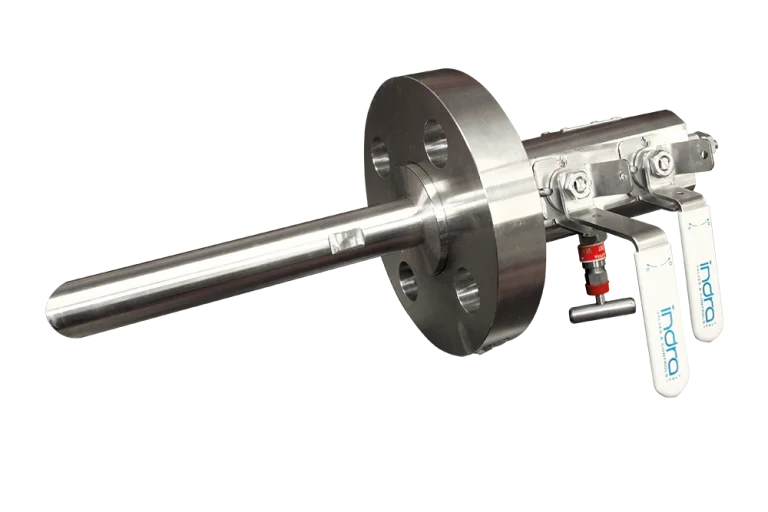
DBB Sampling & Injection Ball Valves
Monolithic Double Block and Bleed design: welding-free connections for maximum leak safety in space-constrained installationsExplore
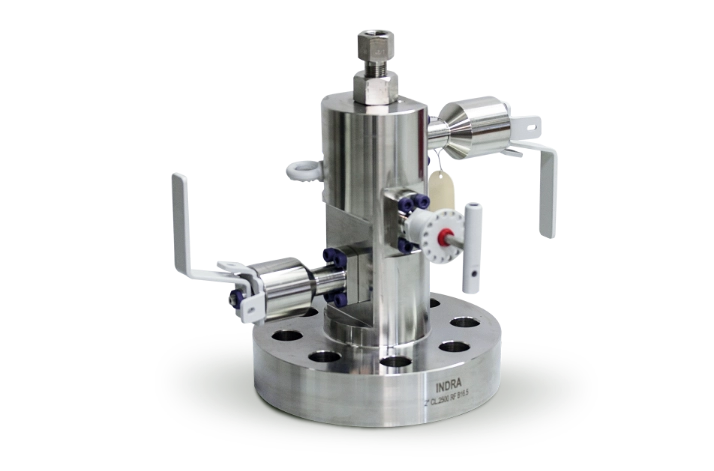
API 6A Ball Valves
Designed and manufactured to API Specification 6A for wellhead and Christmas tree equipment, from 2,000 to 15,000 PSIExplore
High-Temperature Ball Valves
Engineered to reliably control fluid flow at elevated temperatures, typically exceeding 200°C and up to 500°C (932°F) or higherExplore
Low Temperature & Cryogenic Ball Valves
Specialized valves for fluid control at extremely low temperatures, down to -196°C (-320.8°F) for LNG, LIN, LOX and Liquid Helium serviceExplore
Precision Engineering for Critical Applications
Indra instrumentation needle valves represent the industry benchmark for precision flow control and pressure instrument isolation. Manufactured entirely in-house at our Italian facility near Milan, each valve is machined from solid bar stock or forged to ensure robust, compact construction with zero internal defects.
Our needle valve family combines advanced engineering with proven reliability: the proprietary non-rotating stem tip eliminates seat wear caused by rotational friction—a common failure point in traditional designs.
The blow-out proof stem and multiple sealing points deliver absolute safety assurance, while OS&Y (Outside Screw and Yoke) bonnet technology keeps threaded components away from process fluids, preventing corrosion and ensuring smooth, long-lasting operation.
With pressure ratings from 6,000 to 15,000 PSI and construction from exotic materials including Duplex, Hastelloy, Titanium and 6Mo—all NACE MR0175 compliant—Indra needle valves perform reliably in the harshest environments: offshore platforms, sour gas service, cryogenic applications, and high-temperature processes.
Available in threaded, butt weld, and socket weld configurations, and offered in in-line, angle-body, and multiport designs, our valves provide flexible integration into any instrumentation system. Optional features include vented designs, panel mounting, lockable operators, and fire-safe certification.